
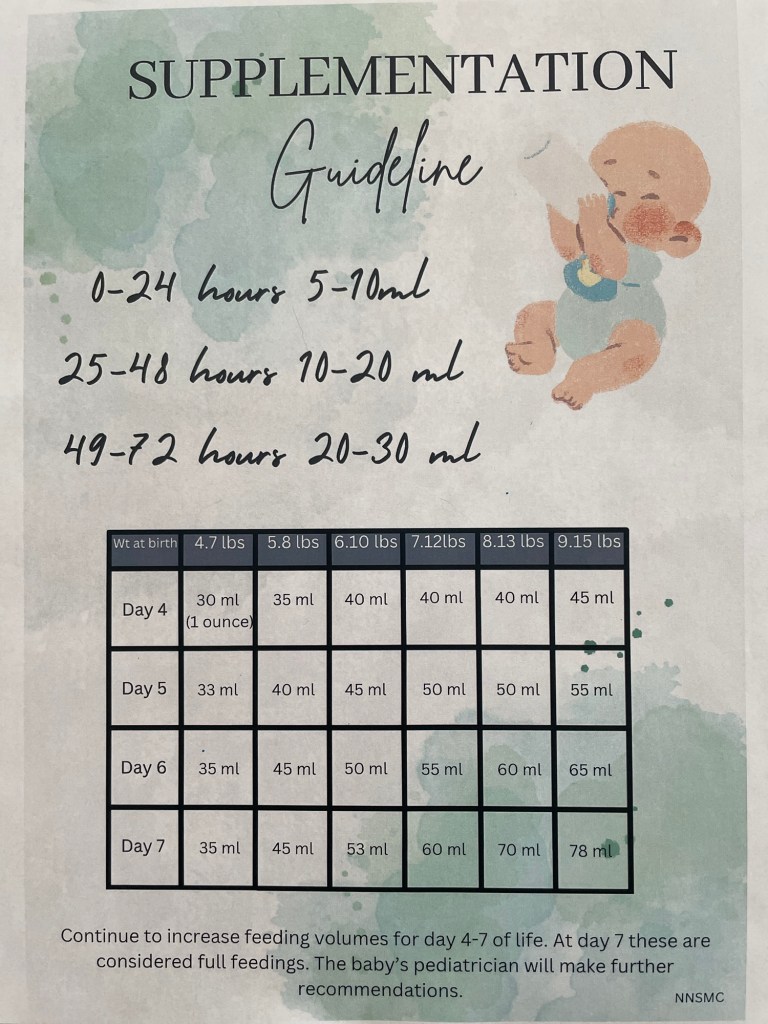
In the first week, a newborn baby doesn’t need much milk. But as the weeks continue, a baby begins to demand more as their stomach grows. If a mom has been feeding their baby consistently from the breast, she should begin to produce more to meet demand. However, many new moms struggle with getting their baby to latch onto the nipple, or aren’t able to grow their milk supply.
As mentioned in my last post on New Mom: Best Baby Bottle, we worked with a lactation expert due to a few factors:
- Large Breasts
- Difficulty Latching
- Nipple Confusion
The following items are my top three learnings for breastfeeding and latching:
1. Positioning
My husband and I attended many classes at the hospital prior to our baby’s birth. One of the classes went over different breastfeeding positions. I took a lot of notes, but I didn’t think about it fully until our baby was actually here.
Our baby was born smaller with an adorable, tiny mouth. At the hospital, I prioritized the football position after guidance from the nurses on site. However, working one-on-one with our lactation expert, we learned we needed a different position.
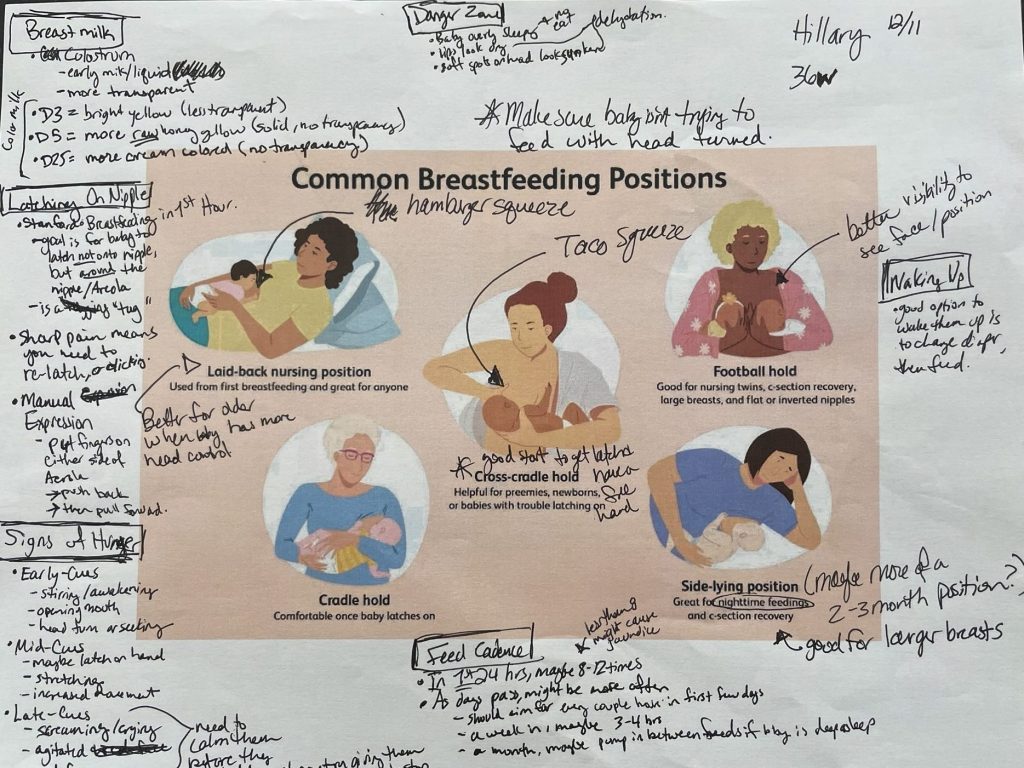
To get to the best position for our baby, we started with her centered on my chest and waited for her to “seek” the breast. Luckily for us, she had great instincts and went straight to it.
The guidance and support from our expert helped to make the process comfortable and natural for me and our baby, and we were able to achieve a short latch at the first session.
2. Nipple Shields
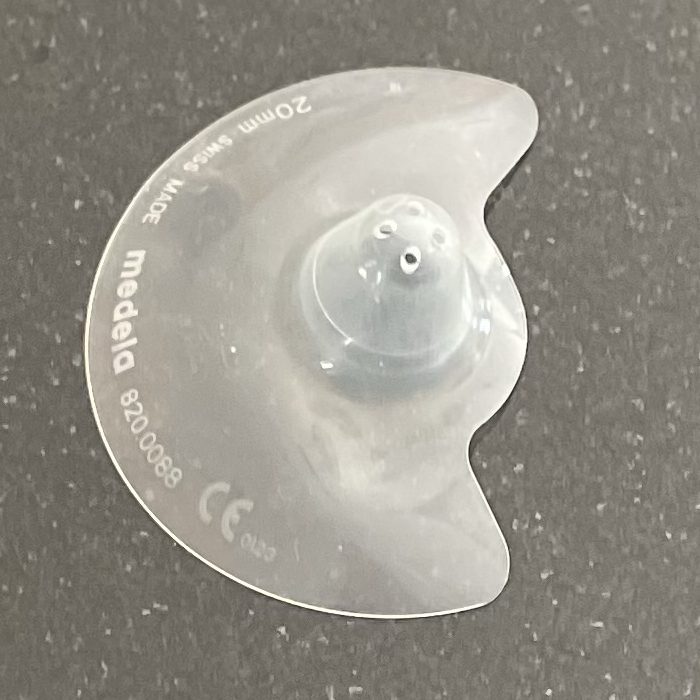
When we used the Medela Nipple Shield, we were able to get a decent latch with the guidance of our expert while we were onsite. However, once we were home and attempting to use the shield, our baby became extremely frustrated. She would start to latch, and it would move. So, we taped it to my breast. She’d start to latch, and then knock her hand into it and it would fall away again. The more frustrated our baby became because she was hungry, the more likely it was she wouldn’t breastfeed.
I think these would have worked better if maybe we’d had the right tape to hold the shield in place, but it’s hard to say. I also think that it might have worked better for a less energetic baby than ours since she wiggles and moves so much.
It’s a good technique to consider if you want to get yourself and your baby used to positioning both of your bodies without a bottle as the focal point.
3. Pumping
When our baby was born, she had jaundice and needed blue light therapy as well as lots of food to flush her system. Thus, she didn’t get the slow ramp with breast milk as I had hoped and instead needed to get formula right away. We were feeding her formula as often as possible and adding in breast milk if she was willing to try, but she became used to the bottle and we were facing nipple confusion.
We decided that even though we would prefer her to latch and drink from the breast, it was more important that she ate. So we decided to double down on pumping in order to get her the milk in the bottle-style she preferred.
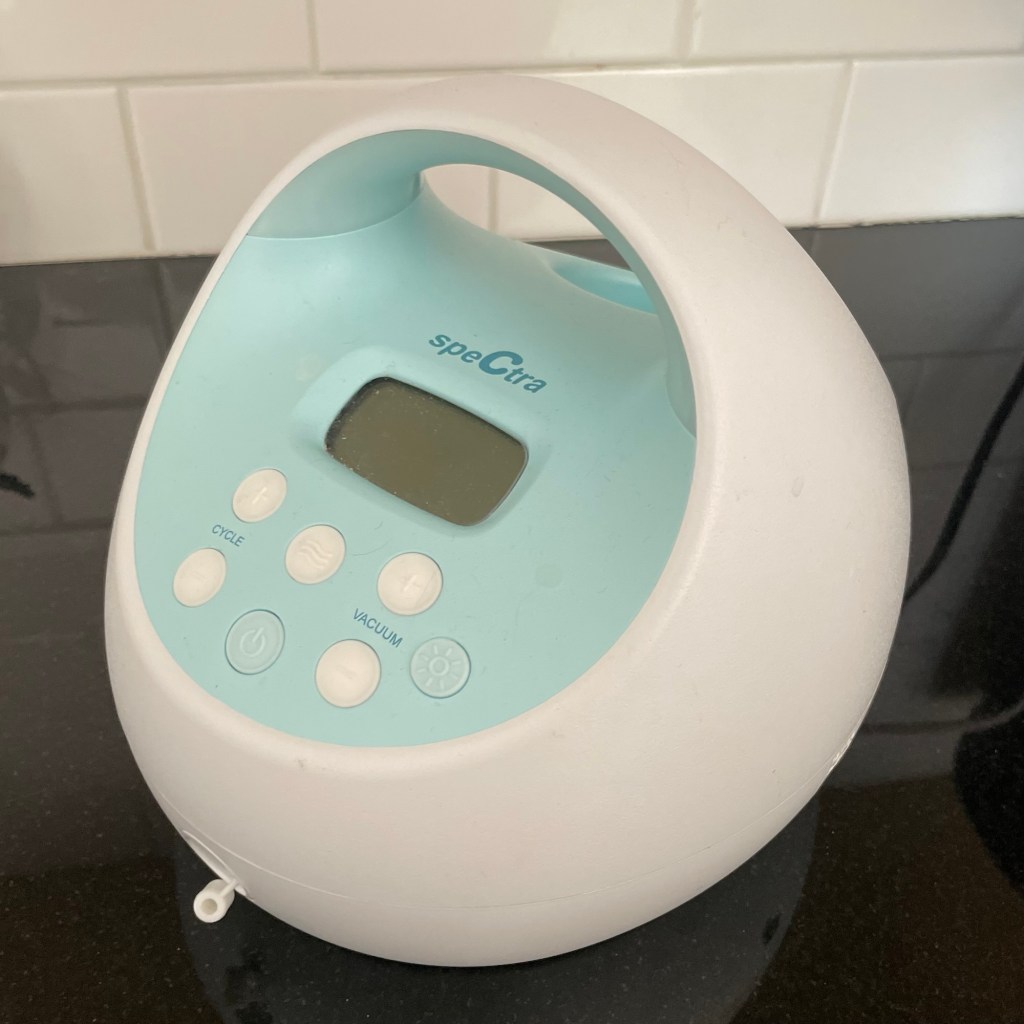
Because my momcozy wasn’t right for the size of my breasts, our lactation expert lent us a different pump to try: Spectra S1. This pump wasn’t as mobile as the momcozy, but it had more flow and release settings, and seemed more effective.
I’ll also add that the Spectra was much easier to clean and maintain – in case you’re looking.
Our expert helped explain that I needed to pump as often as possible until I could get to 6-8 pump sessions per day so that my milk supply would increase.
The milk gathered from these sessions was stored and mixed with formula to help boost our baby’s immune system and also keep her used to the taste while we continued to work on latching.
BONUS!!! Ties Discovered
We noticed after feeding our baby with a NUK bottle that the nipple was twisted up as though she was trying to tie the stem of a cherry with her tongue. We mentioned it to our expert and she said she would like to look at our baby’s mouth structure.
She reviewed the inside of our baby’s mouth and noted that our baby likely had both a tongue tie and a lip tie. She couldn’t diagnose it herself, so she helped us make an appointment with a pediatric dentist who could tell us definitively.
On reflection, we also realized she was clicking when she ate, and she was greeting blisters above and below her lips.
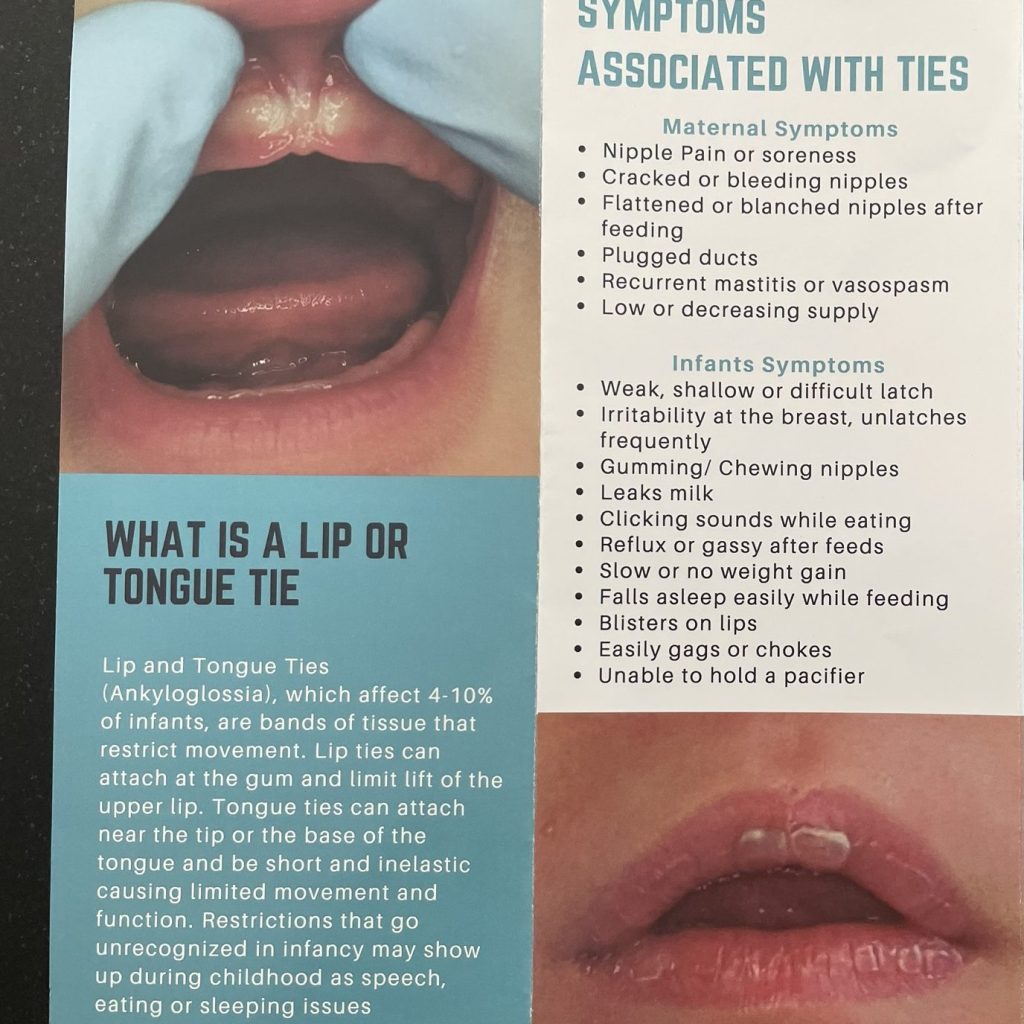
We confirmed that she did indeed have both ties, and we decided to have the procedure performed to release them.
Since then, we’re able to breastfeed our baby with no problems latching (except for when she’s too hungry). It was the knowledge we needed to help our baby now as well as potentially in the future!
Ultimately, there’s no right way to breast-feed your baby. If you are able, it would be best to try to get in contact with a lactation expert before your baby is born rather than after. This way you may build the knowledge you need through experience on how to breast-feed, pump, or even select the right bottle and nipple combination.
To find a local expert, you can do a search online OR even go to the hospital where you gave birth and ask for some suggestions (ours gave us a printout of places they recommend in our area).
You may not think you need the help, but it’s not just for you, it’s for your family.
Best of luck on your journey! Let me know if this helps!
 Kiminy Cricket